The goal in brief

GoalOceans free of plastic, sewage and chemical pollution, with no new waste flowing in.
Why it matters
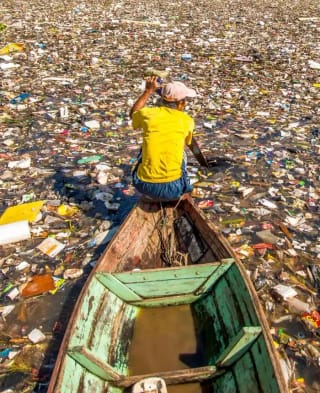
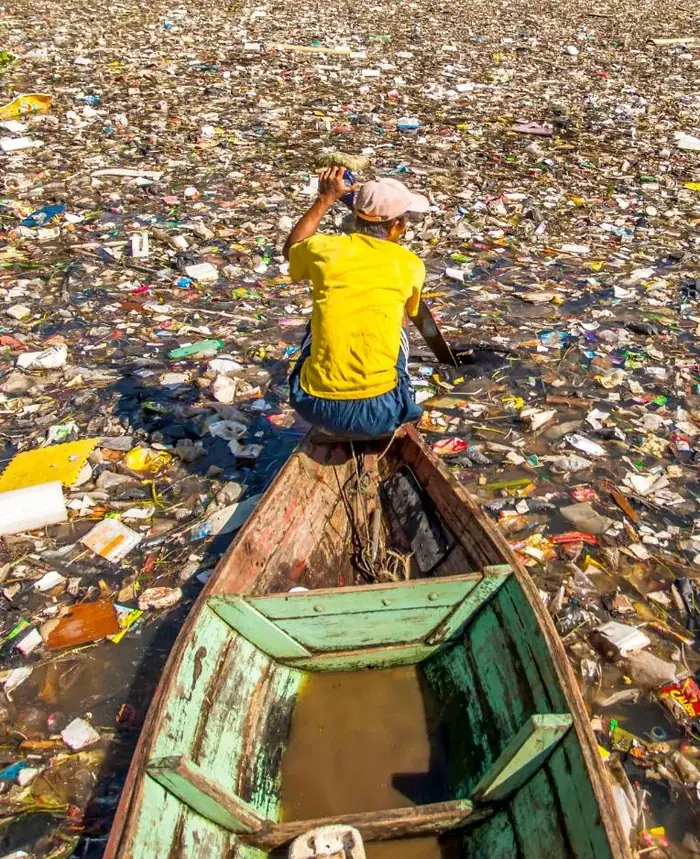
In 2016 alone, an estimated 19 to 23 million tonnes of plastic waste flowed into the world’s rivers, lakes and seas.1 In the ocean it breaks into ever-smaller pieces that harm sea life and are nearly impossible to retrieve, so the job is to stop the flow and collect waste along coasts before it breaks apart.
How we’ll know it’s done
- Finish line
- Zero new plastic reaching the sea, the G20’s vision for 2050,2 with sewage and chemical runoff cut to safe levels and old debris cleared from coasts.
- What counts
- Waste taken out of the sea or off the coast for good and recycled or safely handled, not moved somewhere else.
- How it’s checked
- UN tracking of coastal nutrient pollution and plastic density, plus beach litter surveys and ocean sampling.
- Our part
- Our campaign reports the pounds of coastal plastic it removes each month.
What follows
- Fish and other sea life no longer swallowing or tangled in plastic.O-03Replenish depleted fish populations
- Reefs, seagrass and kelp freed from smothering debris and runoff.O-06Protect and regenerate key ocean ecosystems
- Relief for endangered turtles, seabirds and marine mammals.W-01Protect endangered and critical species
- A push toward systems that keep plastic in use and out of nature.E-04Establish global zero waste through circular economies