The goal in brief

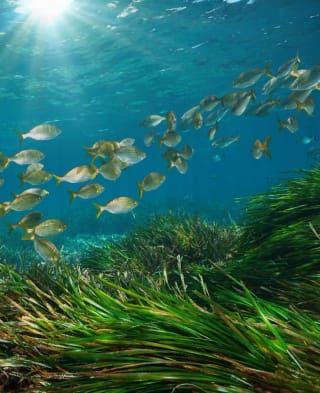
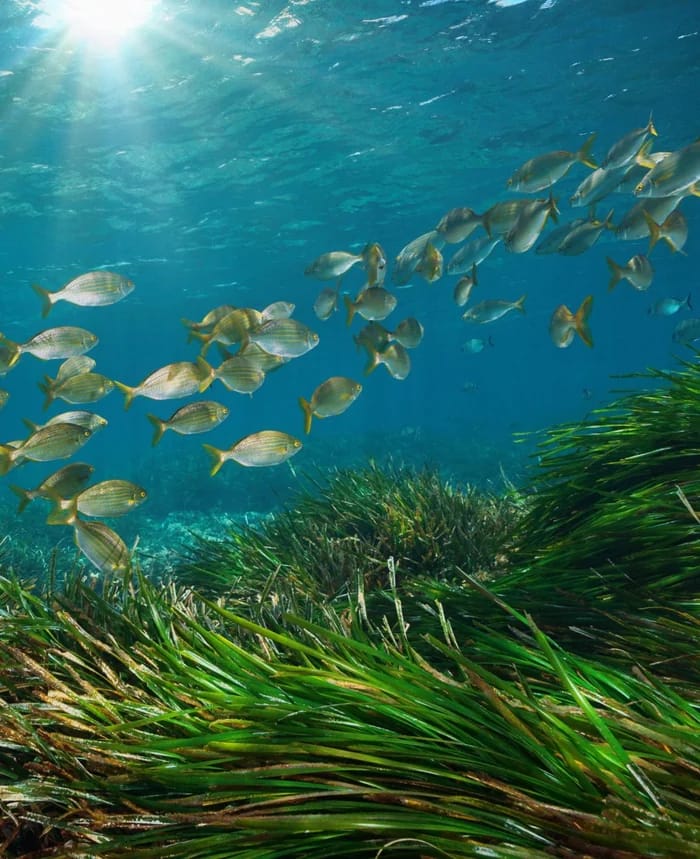
GoalCoral reefs, seagrass meadows and kelp forests protected and growing back worldwide.
Why it matters
From 2023 to 2025, bleaching-level heat hit about 84% of the world’s coral reef area,1 while seagrass meadows and kelp forests have shrunk in many regions.23 These habitats shelter young fish, soften waves before they reach the shore and store carbon, so losing them hurts wildlife and the people who live alongside them.
How we’ll know it’s done
- Finish line
- Coral, seagrass and kelp cover stable or growing, with at least 30% of degraded areas under restoration by 2030, the UN biodiversity framework’s target.4
- What counts
- Living cover that lasts: corals, seagrass and kelp that survive and spread, not just get planted.
- How it’s checked
- Reef surveys by the Global Coral Reef Monitoring Network, satellite heat alerts, and seagrass and kelp mapping.
- Our part
- Our campaign reports the seagrass seeds it plants each month.
What follows
- Nursery grounds that help fish stocks rebuild.O-03Replenish depleted fish populations
- Natural barriers that soften storm waves for coastal towns.E-09Regenerate coastal ecosystems to be resilient against natural disasters
- Carbon locked away in seagrass beds and kelp forests.E-08Establish global climate equilibrium
- Homes for threatened species like corals, turtles and dugongs.W-01Protect endangered and critical species