The goal in brief

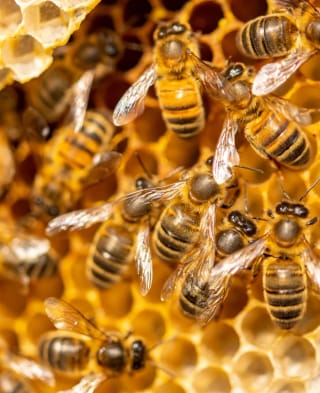
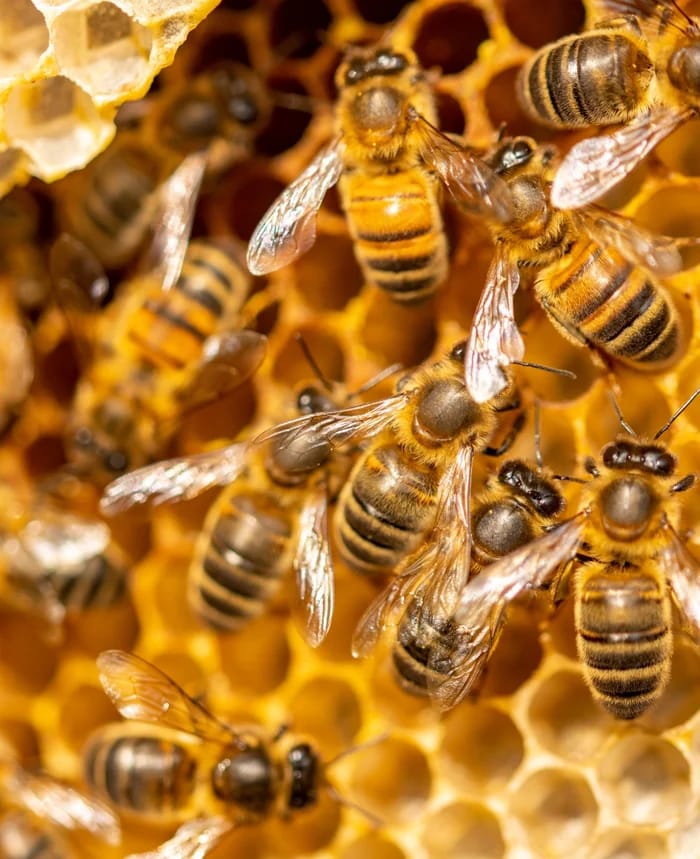
GoalBees and other pollinators thriving, with no pollinator species sliding toward extinction.
Why it matters
Three-quarters of the world’s food crops depend at least partly on pollination by insects and other animals.1 A shortage of pollinators already costs an estimated 3 to 5% of fruit, vegetable and nut production, linked to about 427,000 extra deaths a year from lost healthy food.2
How we’ll know it’s done
- Finish line
- Wild pollinator populations stable or growing, with pesticide risk cut by at least half by 2030, as the UN biodiversity framework calls for.3
- What counts
- Healthy, growing populations of wild bees, butterflies and other pollinators, not just more honeybee hives.
- How it’s checked
- Long-term pollinator monitoring, IUCN Red List assessments of bees and butterflies, and crop pollination studies.
- Our part
- Our campaign reports the bees it protects each month.
What follows
- Bigger, steadier harvests of fruit, vegetables and nuts.H-01Eliminate global hunger and malnutrition
- Wild plants that keep setting seed, and the animals that feed on them.W-01Protect endangered and critical species
- Farms that use fewer pesticides and more natural pest control.E-03Establish biodiverse, regenerative agricultural systems
- Healthier diets and fewer deaths from diet-related disease.H-15End disease